SINGAPORE: A former TV presenter has accused Air NZ of “ongoing failures” in its treatment of disabled people after staff commented on her disability on two separate occasions.
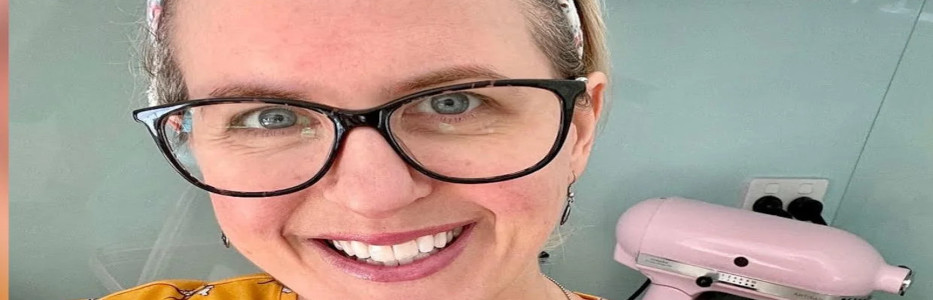
Rachel Hart, founder of food and lifestyle blog One Handed Baker and formerly a presenter and producer with TV3, wears a splint on her right hand and arm.
She lost the use of her hand after unrelated surgery in 2020 and can no longer work, drive, or hold a pen. She has also been diagnosed with Chronic Regional Pain Syndrome and is in constant pain.
An Air New Zealand elite-level Airpoints member, Hart was boarding through the premium queue in Christchurch for a flight home to Auckland on February 23 when she claims a staff member tilted her head, and said loudly: “How’s the paw?”
She was stunned, and didn’t reply, at which point she alleges the crew member repeated: “How’s the paw doing? Healing well?”
She said she told the employee she was permanently disabled and the woman “looked mortified”.
The airline gave her and her daughter a taxi voucher to get to hospital, because of an apparent delay in an ambulance arriving. It has apologised to the family.
Air NZ has also apologised to Hart.
Jeremy O’Brien, chief customer and digital officer, said in an email to Hart this week he wanted to make a “sincere and unreserved apology” as the incident as described “fell short of the standard of care and respect we expect for our customers”.
Hart said she spent the flight from Christchurch feeling “self-conscious and miserable”.
She said in her complaint the staff member had no way of knowing why her hand was in a splint – she could have been the victim of domestic violence or a car crash that killed loved ones – and “pointing out my physical difference is both rude and unnecessary”.
Referring to her hand as a “paw” was “extremely condescending”.
She said it was “endless and exhausting” to be asked about her disability.
In a social media post, Hart said: “Air NZ staff may be encouraged to engage in a friendly manner but – to me – this was patronising and intrusive.
“If my disability needed to be acknowledged, a quiet ‘please let me know if you need any help’ would be far better.
“As I said at the time: ‘Do you ask passengers in wheelchairs whether their legs are healing?’.”
Hart said it wasn’t the first time this had happened – she also complained to Air New Zealand in 2022 when she stepped onto a plane and a cabin crew member said: “Oh! What’s happened to you?”
She said a person’s health issues were no-one else’s business and it was “not my responsibility to make light chit-chat about my health to satisfy someone’s nosiness”.
She believed her experiences showed a “clear ongoing failure in the treatment of disabled people by Air NZ”.
O’Brien said in his email investigations into what happened were continuing, but he apologised for both the 2022 incident and the most recent one.
“You should never have been left feeling self-conscious or uncomfortable while travelling with us,” he wrote.
“You are absolutely right; we cannot assume the circumstances behind someone’s physical difference, nor can we assume that someone wishes to discuss their health or personal history.
“A customer’s disability or injury is not a conversation starter. The appropriate response is a discreet offer of assistance, if needed, and nothing more.
“We failed to meet that standard, and I am very sorry for the distress this caused.”
O’Brien said Air NZ’s Christchurch Airport Manager had spoken directly with the team member involved to address what happened, “and to reinforce our expectations around respectful and appropriate engagement”.
“We will also reflect carefully on your feedback as part of our ongoing focus on inclusive service.”
In a statement, O’Brien confirmed Air NZ had apologised to Hart, whose experience “fell short of the standard we expect”.
He said making air travel accessible and inclusive for everyone was a priority for the company.
“We want all customers with disabilities to feel respected and supported when travelling with us.”
A dedicated team focused on passengers requiring mobility assistance had recently been established in Auckland, he said.
“We recognise there is always more to do and will continue working to improve the travel experience for customers with accessibility needs.”